Saturday, June 7, 2014

Healthy Food Options Healthy Food Pyramid Recipes Clipart List for Kids Plate Pictures Images Tumblr Quotes

Healthy Food Options Biography

Source(google.com.pk)
Don't Battle Over Food
It's easy for food to become a source of conflict. Well-intentioned parents might find themselves bargaining or bribing kids so they eat the healthy food in front of them. A better strategy is to give kids some control, but to also limit the kind of foods available at home.

Kids should decide if they're hungry, what they will eat from the foods served, and when they're full. Parents control which foods are available to their kids, both at mealtime and between meals. Here are some guidelines to follow:

Establish a predictable schedule of meals and snacks. It's OK to choose not to eat when both parents and kids know when to expect the next meal or snack.
Don't force kids to clean their plates. Doing so teaches kids to override feelings of fullness.
Don't bribe or reward kids with food. Avoid using dessert as the prize for eating the meal.
Don't use food as a way of showing love. When you want to show love, give kids a hug, some of your time, or praise.
Get Kids Involved
Most kids will enjoy deciding what to make for dinner. Talk to them about making choices and planning a balanced meal. Some might even want to help shop for ingredients and prepare the meal. At the store, teach kids to check out food labels to begin understanding what to look for.

In the kitchen, select age-appropriate tasks so kids can play a part without getting injured or feeling overwhelmed. And at the end of the meal, don't forget to praise the chef.

School lunches can be another learning lesson for kids. More important, if you can get them thinking about what they eat for lunch, you might be able to help them make positive changes. Brainstorm about what kinds of foods they'd like for lunch or go to the grocery store to shop together for healthy, packable foods.

There's another important reason why kids should be involved: It can help prepare them to make good decisions on their own about the foods they want to eat. That's not to say they'll suddenly want a salad instead of french fries, but the mealtime habits you help create now can lead to a lifetime of healthier choices.


Why is healthy eating important?
When combined with exercise, a healthy diet can help you lose weight, lower your cholesterol level, and improve the way your body functions on a daily basis.

People of diferent ages and activity levels have different calorie needs. How much you eat of a certain type of food, such as fruits and vegetables, should depend on your individual calorie needs. For example, a person who needs 1,000 calories per day will have food serving requirements that are different from somone who needs 1,600 calories per day. The U.S. Department of Agriculture's website ChooseMyPlate.gov offers good information about nutrition for children and adults.
Following are some ways to make healthier food choices.

Grains
Whole-grain breads are low in fat; they're also high in fiber and complex carbohydrates, which help you feel fuller longer and prevent overeating. Choose breads whose first ingredient says “whole” in front of the grain, for example, “whole wheat flour” or “whole white flour”; enriched or other types of flour have the important fiber and nutrients removed. Choose whole grain breads for sandwiches and as additions to meals.

Avoid rich bakery foods such as donuts, sweet rolls and muffins. These foods can contain more than 50% fat calories. Snacks such as angel food cake and gingersnap cookies can satisfy your sweet tooth without adding fat to your diet.

Hot and cold cereals are usually low in fat. But instant cereals with cream may contain high-fat oils or butterfat. Granola cereals may also contain high-fat oils and extra sugars. Look for low-sugar options for both instant and granola cereals.

Avoid fried snacks such as potato chips and tortilla chips. Try the low-fat or baked versions instead.

Instead of this: Try this:
Croissants, biscuits, white breads and rolls Low-fat whole grain breads and rolls (wheat, rye and pumpernickel)
Doughnuts, pastries and scones English muffins and small whole grain bagels
Fried tortillas Soft tortillas (corn or whole wheat)
Sugar cereals and regular granola Oatmeal, low-fat granola and whole-grain cereal
Snack crackers Crackers (animal, graham, rye, soda, saltine, oyster)
Potato or corn chips and buttered popcorn Pretzels (unsalted) and popcorn (unbuttered)
White pasta Whole-wheat pasta
White rice Brown rice
Fried rice, or pasta and rice mixes that contain high-fat sauces Rice or pasta (without egg yolk) with vegetable sauces
All-purpose white flour 100% whole-wheat flour
Fruits and Vegetables
Fruits and vegetables are naturally low in fat. They add flavor and variety to your diet. They also contain fiber, vitamins and minerals.

Margarine, butter, mayonnaise and sour cream add fat to vegetables and fruits. Try using nonfat or low-fat versions of these foods. You can also use nonfat or low-fat yogurt or herbs as seasonings instead.

Instead of this: Try this:
Fried vegetables or vegetables served with cream, cheese or butter sauces All vegetables raw, steamed, broiled, baked or tossed with a very small amount of olive oil and salt and pepper
Coconut Fruit (fresh)
French fries, hash browns and potato chips Baked white or sweet potatoes
Meat, Poultry and Fish
Beef, Pork, Veal and Lamb
Baking, broiling and roasting are the healthiest ways to prepare meat. Lean cuts can be pan-broiled or stir-fried. Use either a nonstick pan or nonstick spray coating instead of butter or margarine.

Trim outside fat before cooking. Trim any inside, separable fat before eating. Select low-fat, lean cuts of meat. Lean beef and veal cuts have the word "loin" or "round" in their names. Lean pork cuts have the word "loin" or "leg" in their names.

Use herbs, spices, fresh vegetables and nonfat marinades to season meat. Avoid high-fat sauces and gravies.

Poultry
Baking, broiling and roasting are the healthiest ways to prepare poultry. Skinless poultry can be pan-broiled or stir-fried. Use either a nonstick pan or nonstick spray coating instead of butter or margarine.

Remove skin and visible fat before cooking. Chicken breasts are a good choice because they are low in fat and high in protein. Use domestic goose and duck only once in a while because both are high in fat.

Fish
Poaching, steaming, baking and broiling are the healthiest ways to prepare fish. Fresh fish should have a clear color, a moist look, a clean smell and firm, springy flesh. If good-quality fresh fish isn't available, buy frozen fish.

Most seafood is high in healthy polyunsaturated fat. Omega-3 fatty acids are also found in some fatty fish, such as salmon and cold-water trout. They may help lower the risk of heart disease in some people.

Cross-over Foods
Dry beans, peas and lentils offer protein and fiber without the cholesterol and fat of meats. Once in a while, try substituting beans for meat in a favorite recipe, such as lasagna or chili.

TVP, or textured vegetable protein, is widely available in many foods. Vegetarian "hot dogs," "hamburger" and "chicken nuggets" are low-fat, cholesterol-free alternatives to meat.

Instead of this: Try this:
Regular or breaded fish sticks or cakes, fish canned in oil, seafood prepared with butter or served in high-fat sauce Fish (fresh, frozen, canned in water), low-fat fish sticks or cakes and shellfish (such as shrimp)
Prime and marbled cuts Select-grade lean beef (round, sirloin and loin)
Pork spare ribs and bacon Lean pork (tenderloin and loin chop) and turkey bacon
Regular ground beef Lean or extra-lean ground beef, ground chicken and turkey breast
Lunch meats such as pepperoni, salami, bologna and liverwurst Lean lunch meats such as turkey, chicken and ham
Regular hot dogs or sausage Fat-free hot dogs and turkey dogs
Dairy
Choose skim milk or low-fat buttermilk. Substitute evaporated skim milk for cream in recipes for soups, sauces and coffee.

Try low-fat cheeses. Skim ricotta can replace cream cheese on a bagel or in a vegetable dip. Use part-skim cheeses in recipes. Use 1% cottage cheese for salads and cooking. String cheese is a low-fat, high-calcium snack option.

Plain nonfat yogurt can replace sour cream in many recipes. (To maintain texture, stir 1 tablespoon of cornstarch into each cup of yogurt that you use in cooking.) Try mixing frozen nonfat or low-fat yogurt with fruit for dessert.

Skim sherbet is an alternative to ice cream. Soft-serve and regular ice creams are also lower in fat than premium styles.

Instead of this: Try this:
Whole or 2% milk Non-fat or 1% milk
Evaporated milk Evaporated non-fat milk
Regular buttermilk Buttermilk made from non-fat (or 1%) milk
Yogurt made with whole milk Nonfat or low-fat yogurt
Regular cheese (examples: American, blue, Brie, cheddar, Colby and Parmesan) Low-fat cheese with less than 3 grams of fat per serving (example: natural cheese, processed cheese and nondairy cheese such as soy cheese)
Regular cottage cheese Low-fat, nonfat, and dry-curd cottage cheese with less than 2% fat
Regular cream cheese Low-fat cream cheese (no more than 3 grams of fat per ounce)
Regular ice cream Sorbet, sherbet and nonfat or low-fat ice cream (no more than 3 grams of fat per 1/2 cup serving)
Fats, Oils and Sweets
Eating too many high-fat foods not only adds excess calories (which can lead to obesity and weight gain), but can increase your risk factor for several diseases. Heart disease, diabetes, certain types of cancer and osteoarthritis have all been linked to diets too high in fat. If you consume too much saturated and trans fats, you are more likely to develop high cholesterol and coronary artery disease.

Sugar-sweetened drinks, such as fruit juice, fruit drinks, regular soft drinks, sports drinks, energy drinks, sweetened or flavored milk and sweetened iced tea can add lots of sugar and calories to your diet. But staying hydrated is important for good health. Substitute water, zero-calorie flavored water, non-fat or reduced-fat milk, unsweetened tea or diet soda for sweetened drinks. Talk with your family doctor or a dietitian if you have questions about your diet or healthy eating for your family.

Instead of this: Try this:
Cookies Fig bars, gingersnaps and molasses cookies
Shortening, butter or margarine Olive, soybean and canola oils
Regular mayonnaise Nonfat or light mayonnaise
Regular salad dressing Nonfat or light salad dressing
Using fat (including butter) to grease pan Nonstick cookin

Healthy Food Options Healthy Food Pyramid Recipes Clipart List for Kids Plate Pictures Images Tumblr Quotes 
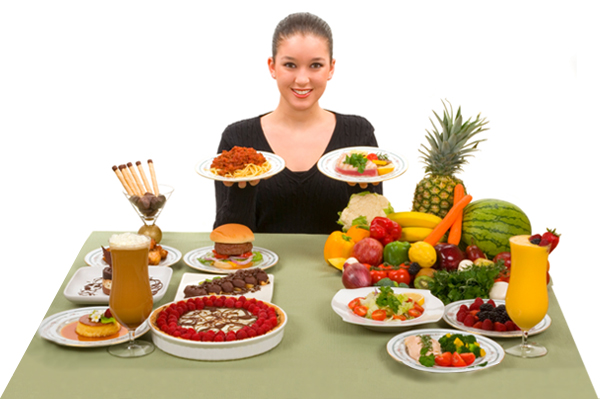

Healthy Food For Children Healthy Food Pyramid Recipes Clipart List for Kids Plate Pictures Images Tumblr Quotes

Healthy Food For Children Biography

Source(google.com.pk)
Give your kids what they want to eat--yummy recipes that will have them running to the dinner table! We’ve included kid favorites like chicken fingers, tuna melts, and good old no-bake mac & cheese, but we’ve made them delicious and much healthier! Teaching kids to eat healthy foods at a young age will help them develop healthy eating patterns for life, so we’ve included kid-friendly recipes with a variety of vegetables, using proteins that are naturally lower in calories and rich in vitamins and minerals. These delicious kid-friendly recipes will help your kids learn to love whole grains (most kids should be eating at least 6 ounces a day!). And don’t forget calcium-rich recipes to build strong bones. This collection of healthy kid-friendly recipes gets high marks from kids of all ages and is designed to make meal planning easier. We think your whole family will love them!

Whether you have a toddler or a teen, here are five of the best strategies to improve nutrition and encourage smart eating habits:

Have regular family meals.
Serve a variety of healthy foods and snacks.
Be a role model by eating healthy yourself.
Avoid battles over food.
Involve kids in the process.
Sure, eating well can be hard — family schedules are hectic and grab-and-go convenience food is readily available. But our tips can help make all five strategies part of your busy household.

Family Meals
Family meals are a comforting ritual for both parents and kids. Children like the predictability of family meals and parents get a chance to catch up with their kids. Kids who take part in regular family meals are also:

more likely to eat fruits, vegetables, and grains
less likely to snack on unhealthy foods
less likely to smoke, use marijuana, or drink alcohol

Also, family meals are a chance for parents to introduce kids to new foods and to be role models for healthy eating.

Teens may turn up their noses at the prospect of a family meal — not surprising because they're busy and want to be more independent. Yet studies find that teens still want their parents' advice and counsel, so use mealtime as a chance to reconnect.

You might also try these tips:

Allow kids to invite a friend to dinner.
Involve your child in meal planning and preparation.
Keep mealtime calm and friendly — no lectures or arguing.
What counts as a family meal? Whenever you and your family eat together — whether it's takeout food or a home-cooked meal with all the trimmings. Strive for nutritious food and a time when everyone can be there. This may mean eating dinner a little later to accommodate a teen who's at sports practice. It also can mean setting aside time on the weekends when it may be more convenient to gather as a group, such as for Sunday brunch.
Stock Up on Healthy Foods
Kids, especially younger ones, will eat mostly what's available at home. That's why it's important to control the supply lines — the foods that you serve for meals and have on hand for snacks.

Follow these basic guidelines:

Work fruits and vegetables into the daily routine, aiming for the goal of at least five servings a day. Be sure you serve fruit or vegetables at every meal.
Make it easy for kids to choose healthy snacks by keeping fruits and vegetables on hand and ready to eat. Other good snacks include low-fat yogurt, peanut butter and celery, or whole-grain crackers and cheese.
Serve lean meats and other good sources of protein, such as fish, eggs, beans, and nuts.
Choose whole-grain breads and cereals so kids get more fiber.
Limit fat intake by avoiding fried foods and choosing healthier cooking methods, such as broiling, grilling, roasting, and steaming. Choose low-fat or nonfat dairy products.
Limit fast food and low-nutrient snacks, such as chips and candy. But don't completely ban favorite snacks from your home. Instead, make them "once-in-a-while" foods, so kids don't feel deprived.
Limit sugary drinks, such as soda and fruit-flavored drinks. Serve water and low-fat milk instead.
Be a Role Model
The best way for you to encourage healthy eating is to eat well yourself. Kids will follow the lead of the adults they see every day. By eating fruits and vegetables and not overindulging in the less nutritious stuff, you'll be sending the right message.

Another way to be a good role model is to serve appropriate portions and not overeat. Talk about your feelings of fullness, especially with younger children. You might say, "This is delicious, but I'm full, so I'm going to stop eating." Similarly, parents who are always dieting or complaining about their bodies may foster these same negative feelings in their kids. Try to keep a positive approach about food.

Healthy Food For Children Healthy Food Pyramid Recipes Clipart List for Kids Plate Pictures Images Tumblr Quotes 

Healthy Fast Food Healthy Food Pyramid Recipes Clipart List for Kids Plate Pictures Images Tumblr Quotes

Healthy Fast Food Biography

Source(google.com.pk)
Patient's Name _______________

Date __________

1: Food Groups
 
Recommended Daily Amounts Daily Amounts You Eat Additional Amounts Needed
Grains (bread, cereal, rice & pasta)
3-6 oz. whole grains  
Vegetables
2 1/2 cup  
Fruits
2 cups  
Dairy 3 cups  
Meat or Meat Alternatives 5-6 1/2 oz.  
2: Fats, Oils & Sweets
Recommended: Use sparingly

Amount you eat: ______________________________

3: Beverages
Recommended: Beverages should provide fluids and nutrients without excessive calories.

Current beverage choices that may be a problem: ______________________________
4: Prescription
Your suggested dietary changes are checked below:

____ Eat more whole-grain breads, cereals, rice and pasta.
____ Eat more vegetables.
____ Eat more fruits.
____ Drink more milk, and eat more yogurt and cheese.
____ Eat more meat, poultry, fish, dry beans, eggs and nuts.
____ Eat more low-fat meats, milk, yogurt and cheese.
____ Eat fewer meats, eggs, nuts and dry beans and less poultry and fish.
____ Eat fewer eggs (no more than 4 whole eggs or yolks per week).
____ Eat fewer fats, oils and sweets.
____ Drink fewer sweetened beverages.
____ Drink less alcohol.
____ Eat less salt and fewer high-sodium foods.
____ Drink no- or low-calorie beverages, such as water, unsweetened tea or diet soda pop.

Other prescriptions:
Physician's Signature _____________________

Date ____________

Is being underweight really a problem?
Weight loss is a serious issue in the United States. Consumers constantly see advertisements and news reports on trendy diets, flashy products and magic pills promising to help them lose weight.

Given that the ongoing “battle of the bulge” is front and center for so many people, being too thin may seem like a good problem to have. But the reality is that being underweight can cause health problems.

Fat has a bad reputation for causing overweight and obesity. However, not all fat is bad. In fact, breaking down and storing energy (or calories) as fat is just one of the many ways the body uses food to function, heal and grow.

The energy stored in fat helps you get through a strenuous job or workout. It also plays a key role in brain development, preventing inflammation (swelling) and blood clots. Fat also supports healthy hair and skin.

It’s important to understand that balance is a key in maintaining a healthy body–whether you’re over- or underweight.

How do you know if you’re underweight?
Using a tool to calculate your body mass index (BMI) can help determine if you’re underweight. Your family doctor can also help determine if you’re underweight based on your height, weight, what you eat and your activity level.

What problems can being underweight cause?
People who are underweight typically are not getting enough calories to fuel their bodies. Often, they are also suffering from malnutrition, since they aren’t taking in enough vitamins and minerals from their food. If you’re underweight, you may be at risk for the following health issues:

Inhibited growth and development. This is especially true in children and teens, whose bodies need plenty of nutrients to grow and stay healthy.
Fragile bones. A deficiency in vitamin D and calcium along with low body weight can lead to weak bones and osteoporosis.
Weakened immune system. When you don’t take in enough nutrients, your body cannot store energy and may also have difficulty fighting illness. It may also be difficult for your immune system to bounce back after being sick.
Anemia. This condition can be caused by iron deficiency, folate deficiency and vitamin B12 deficiency, resulting in dizziness, fatigue and headaches.
Fertility issues. In women, low body weight can lead to irregular periods, lack of periods and infertility.
Hair loss. Low body weight can cause hair to thin and fall out easily. It can also cause dry, thin skin and teeth health issues.
What causes low body weight?
Low body weight can stem from a variety of causes. While some underweight people are otherwise physically healthy, others suffer from underlying health concerns that should be treated. The following are some possible causes of being underweight:

Genetics. If you’ve been thin since high school and being thing runs in your family, it’s likely that you were born with a higher-than-usual metabolism. You also may have a naturally small appetite.
High physical activity. If you’re an athlete, you are probably aware that frequent workouts can affect your body weight. However, high physical activity can also flow from an active job or an energetic personality. If you’re on your feet frequently, you may burn more calories than people who are more sedentary (inactive).
Illness. Being sick can affect your appetite, as well as your body’s ability to use and store food. If you’ve recently lost a lot of weight without trying, it may be a sign of disease, such as thyroid problems, diabetes, digestive diseases or even cancer. Be sure to talk to your doctor about sudden weight loss.
Medicines. Certain prescription medicines can cause nausea and weight loss. Some treatments, such as chemotherapy, can reduce appetite and worsen weight loss from illness.
Psychological Issues. Our mental well being affects every part of our lives. Factors like stress and depression can disrupt healthy eating habits. Severe body image fears and distortions can also lead to eating disorders. If you’re suffering from damaging emotional issues, be sure to talk to your family doctor. He or she can help you get the care, assistance or counseling you may need.
Is it possible to gain weight in a healthy manner?
A weight gain program may seem like an opportunity for indulgence. Just grab some French fries and have at it! Unfortunately, just as healthy weight loss requires a balanced approach, healthy weight gain means more than adding junk food to your daily meals.

While eating junk food may result in weight gain, it will not address the nutritional deficiencies that come with being underweight. Further, even if the fat, sugar and salt common in junk food don’t show up as extra weight, they can still harm your body. To maximize healthy gains, try the following tips.

Add healthy calories. Without radically changing your diet, you can increase your calorie intake with each meal by adding nut or seed toppings, cheese and healthy side dishes. Try almonds, sunflower seeds, fruit or whole-grain wheat toast.

Go nutrient dense. Instead of eating a lot of empty calories and junk food, focus on eating foods that are rich in nutrients. Consider high-protein meats, which can help you to build muscle. Also, choose nutritious carbohydrates, such as brown rice and other whole grains. This helps ensure your body is receiving as much nourishment as possible, even if you’re dealing with a reduced appetite.

Snack away. Enjoy snacks that contain plenty of protein and healthy carbohydrates. Consider options like trail mix, protein bars or drinks, and crackers with hummus or peanut butter. Also enjoy snacks that contain “good fats,” which are important for a healthy heart. Examples include nuts and avocados.

Eat mini-meals. If you’re struggling with a curbed appetite due to medical or emotional issues, taking in large portions of food may not seem appealing. Consider eating smaller meals throughout the day to increase your calorie intake.

Bulk up. While too much aerobic exercise will burn calories and ultimately work against your weight goal, strength training– such as weight-lifting or yoga–can help you gain weight by building muscle. 

Before beginning any major weight gain program, be sure to consult your family doctor. Being underweight may indicate an underlying health issue, which won’t be corrected by diet changes. Your physician also will be able to help you track your progress and make sure that healthy changes are taking place.

Healthy Fast Food Healthy Food Pyramid Recipes Clipart List for Kids Plate Pictures Images Tumblr Quotes 
Healthy Fast Food Healthy Food Pyramid Recipes Clipart List for Kids Plate Pictures Images Tumblr Quotes